

The Media Rights Agenda (MRA) says it documented 86 incidents of attacks against journalists, media organisations and citizens across Nigeria in 2025.
The MRA revealed this in its 2025 Annual Report on Freedom of Expression in Nigeria, titled: “The Reign of Impunity”, which was released on Thursday in Lagos.
The 147-page report identified the Nigeria Police Force as the worst offender, responsible for 41 incidents, representing nearly 48 per cent of all documented attacks.
It reported that the Department of State Services (DSS) followed, accounting for about seven per cent of the cases, bringing the combined responsibility of the two agencies to over 50 per cent of all violations recorded.
The report revealed that the incidents occurred across 27 states and the Federal Capital Territory (FCT), Abuja.
It noted that Lagos State and the Federal Capital Territory recorded the highest number of attacks against journalists and citizens, with 16 and 14 incidents respectively.
The report disclosed that none of the incidents resulted in successful investigation or prosecution, even where the actions amounted to criminal offences.
According to the MRA report, arrests and detentions were the most common form of attack on media freedom while suppression of freedom of expression accounted for 38 cases, representing over 44 per cent of all incidents recorded.
It also documented 21 cases of physical assault and battery, making up more than 24 per cent of the total incidents, ranking as the second highest form of violation during the period under review.
The report further recorded two killings, including that of a journalist killed in the line of duty and a woman murdered over alleged blasphemy.
Other grave violations, it revealed, included one case of kidnapping and the shutdown of a media outlet.
The report also highlighted emerging trends, including the continued ‘weaponisation’ of the Cybercrimes (Prohibition, Prevention, etc.) Act, 2015, as amended, against journalists.
The report revealed the use of digital surveillance tools and spyware to monitor media practitioners.
It noted that security agencies often failed to intervene in attacks by non-state actors, even when present, and were also involved in the suppression of peaceful protests, during which journalists were frequently targeted.
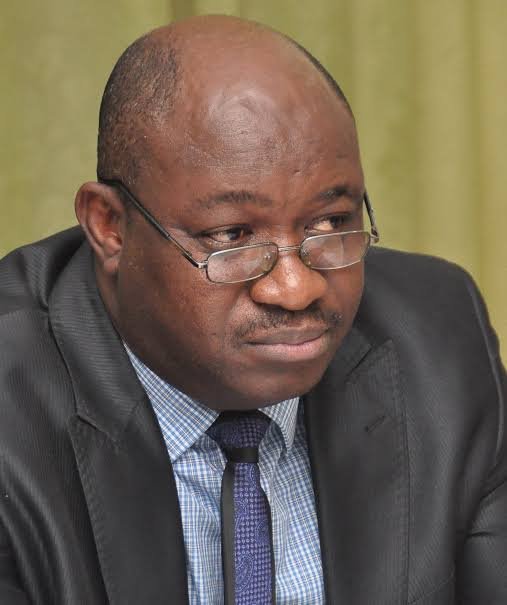
Reacting to the report, MRA’s Executive Director, Mr Edetaen Ojo, said that despite rapid changes in the media landscape driven by digital technologies, fundamental challenges facing journalists remained deeply entrenched.
He identified the challenges as political, legal, economic and social, marked by attacks on journalists, misuse of laws, shrinking civic space, economic pressures and increasing digital threats.
Ojo said that the persistent culture of impunity posed one of the gravest threats to media freedom in Nigeria, emboldening perpetrators and fostering fear and self-censorship within the media community.
He urged the Federal Government and relevant authorities to ensure prompt, transparent investigations into all attacks against journalists and citizens and to make the outcomes public.
Ojo also called on the government to direct security agencies to refrain from harassment, intimidation and arbitrary arrests of journalists and citizens exercising their right to freedom of expression, particularly online.
The executive director further recommended the establishment of a national mechanism for the safety of journalists in line with the United Nations Plan of Action on the Safety of Journalists, including early warning systems and rapid response protocols.